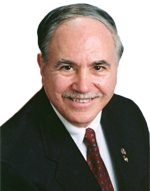
Assemblyman Colton Calls on City to Speed Up Accessibility of Public Schools
Thirty-four years after the Americans with Disabilities Act (ADA) was signed into law, New York City continues to lag behind in making its public schools accessible, charges Assemblyman William Colton (D—Gravesend, Bensonhurst, Bath Beach and Dyker Heights).
“The city’s slowness is making schools accessible for the children who live here is unacceptable,” Assemblyman Colton said. “While progress has been made in the last few years, thanks to investments included in the most recent DOE capital plans, New York City still lags behind. As a result, too many families suffer. Because children who have accessibility issues must be bused to distant schools that can accommodate them, their parents often have children enrolled in more than one school, adding to the family’s burden. In addition, the children endure long bus rides, and have limited opportunities to socialize with their peers because the friends they make may live far away from them. I know the city can do better. It must do better so that all of our children can get the quality education, close to home, that they deserve.”
As of last August, according to Advocates for Children of New York City, just 31.1 percent of the city’s public schools were fully accessible.
In District 21, which includes a large portion of the area which Assemblyman Colton represents, only 22.5 percent of public schools operated by the city’s Department of Education (DOE) meet that benchmark, with another five percent slated to become fully accessible once work budgeted for in the 2020-2024 capital plan, which saw a significant increase in the amount of money budgeted for accessibility improvements, is completed, according to Advocates for Children. While low, that number actually represents a significant improvement, the organization says; as of 2018, a mere three percent of schools in District 21 were fully accessible, according to its findings.
Not all of the city’s 1,587 public school locations (including early childhood sites, annexes and some specialized programs as well as traditional school buildings) have accessibility status available, according to Advocates for Children; this is another problem for families trying to decide where to send their children.
Of those that do, the group says just 494 are fully accessible; accessibility projects are in the pipeline for 73 more, though these projects may not make all of these buildings fully accessible. The remaining 615 public school buildings are “functionally or fully inaccessible,” according to Advocates for Children, which adds, “Short of additional funding – there is no immediate plan for bring them any closer to ADA compliance.”
To remedy this, Advocates for Children is calling on New York City to set aside “at least $1.25 billion for school accessibility projects in the 2025-2029 Capital Plan, with the goal of making at least 50% of buildings that serve as the primary location for a school fully accessible.”